Kitchen
15 Smart Small Kitchen Storage Ideas
Small kitchen storage ideas that actually free up counter space: smarter zones, vertical storage, drawer strategy, and a pantry that works for real cooking.
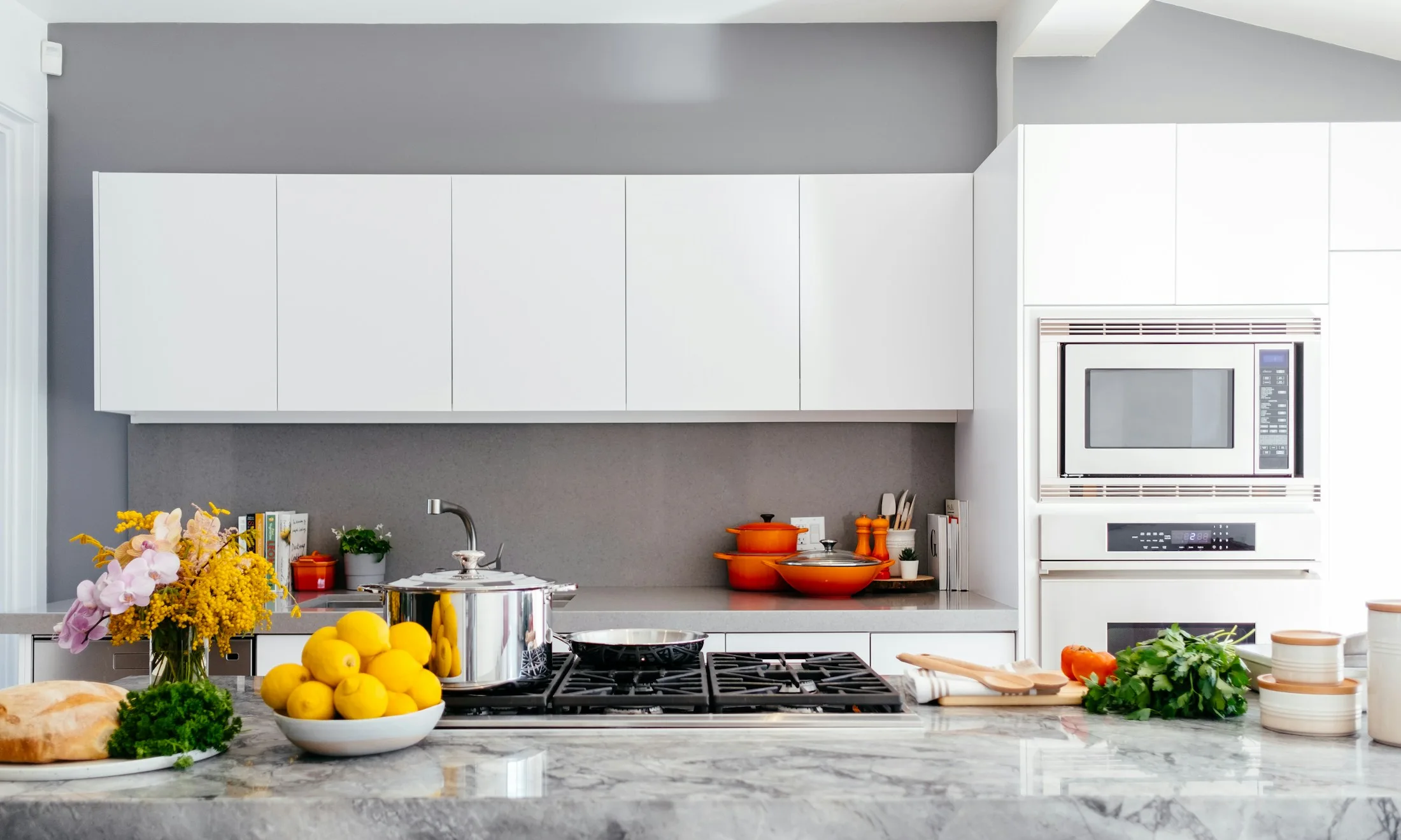
A small kitchen rarely suffers from a lack of storage. It suffers from storage that is in the wrong place. The cupboard above the fridge is full, the counter is covered, and the thing you need every morning is behind three things you use twice a year. Better storage starts with noticing how you cook, not with buying more containers.
The ideas below are organized from the largest decisions to the smallest. Some involve a drill and a weekend; others take ten minutes. Together they are meant to reduce the daily friction of a compact kitchen without turning it into a showroom.
Start with zones, not cupboards
1. Map the work triangle
Walk through your kitchen and trace the path between the sink, the hob, and the refrigerator. Those three points form the work triangle, and anything stored in the middle of it will be moved constantly. Keep the routes clear and put the most-used tools within arm’s reach of the cooking surface.
If the triangle is cramped, the solution is often subtraction rather than reorganization. A bin, a drying rack, or a coffee machine sitting in the path costs more daily effort than a slightly less convenient cupboard.
2. Store by frequency, not by category
Most kitchens are organized by type: all the baking things together, all the cans together, all the mugs together. That makes sense for inventory but not always for use. Try organizing by how often you reach for something. Daily items belong at waist to eye level; occasional items can go high or low.
This is especially useful in a small kitchen where every shelf is prime real estate. The bread maker can live above the fridge; the salt, oil, and wooden spoon can live beside the hob.
3. Keep the primary counter clear
Choose one stretch of counter as your preparation zone and treat it as protected space. Small appliances that are used less than weekly should live behind a door. Knife blocks, utensil crocks, and spice racks can move into drawers or onto the wall. The visual reward is immediate, and the practical reward is a place to actually chop vegetables.
Use the height of the room
4. Take shelves to the ceiling
The space above the top cupboard is usually wasted. A row of baskets or boxes there can hold seasonal items, bulk supplies, or things you need only a few times a year. Use matching containers so the top of the room reads as one calm band rather than a jumble.
If you are renting and cannot add shelves, a tall, narrow bookcase beside the counter can add a surprising amount of storage. Anchor it to the wall and keep the heaviest items on the lower shelves.
5. Add a rail or pegboard on a solid wall
A wall rail with hooks can hold pans, utensils, towels, and small baskets without using counter space. A pegboard does the same job with more flexibility. Keep the arrangement sparse and intentional; a crowded rail becomes visual clutter and is harder to clean.
Choose a wall that is not the main splash zone. Grease and steam will make anything near the hob need regular washing.
6. Use the inside of cabinet doors
The inside of a cabinet door is a free surface. A slim rack can hold lids, cutting boards, foil, or spices. Adhesive options exist for renters, but check the weight limit and the surface before trusting them with anything heavy.
Door storage works best for flat, light items. Avoid hanging heavy pans on a door that swings freely.
Make the drawers work harder
7. Divide deep drawers
A deep drawer without dividers becomes a pile. Adjustable dividers or a set of shallow trays can separate lids, utensils, and food storage containers. The goal is to see what you have without lifting anything.
Measure the internal width and depth before buying an insert. A divider that does not fit is worse than no divider at all. Storage retailers such as The Container Store sell adjustable options, but a simple cut-to-size board can work just as well.
8. Give the cutlery drawer a second layer
A two-tier cutlery insert uses the full depth of a standard drawer. The top layer holds everyday cutlery; the lower layer holds serving pieces, sharpeners, or less-used tools. This is one of the cheapest ways to add usable storage in a small kitchen.
9. Turn a cabinet into pull-out storage
A pull-out shelf or drawer inside a base cabinet makes the back of the cupboard accessible. This is particularly useful for pots, pans, and dry goods. If a full pull-out system is too expensive, a simple sliding basket can do the same job for less.
Rethink the pantry
10. Use clear, stackable containers
Decanting dry goods into clear containers makes the pantry easier to scan and helps you use food before it goes stale. Choose one or two sizes and stick to them so the containers stack neatly. Label the lids if the contents are not obvious.
You do not need to decant everything. Items in their original packaging can stay that way if the packaging is easy to read and stack.
11. Create a “use first” basket
A small basket for food that needs to be eaten soon prevents forgotten vegetables and half-used packages. Keep it at eye level and check it before shopping. This is less about aesthetics and more about reducing waste.
12. Put a slim cart beside the fridge
The gap beside the refrigerator is often dead space. A slim rolling cart can hold oils, spices, or cleaning supplies, and it can be pulled out when needed. Measure the gap carefully and leave room for the door to open.
If the gap is too narrow for a cart, a magnetic spice rack or a wall-mounted broom holder may be a better use of the same space.
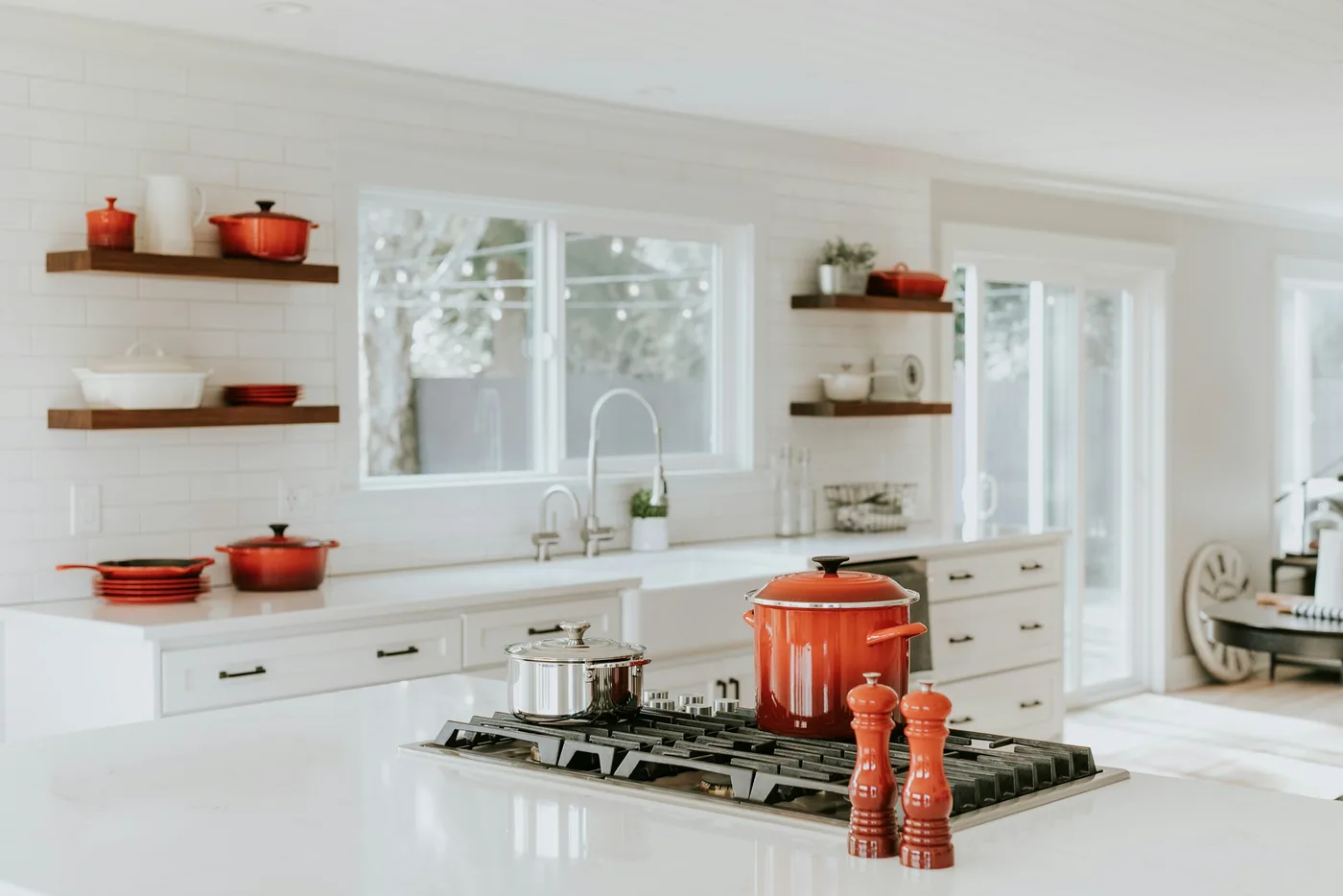
Small changes that make a difference
13. Use a dish rack that drains into the sink
A drying rack that sits over the sink keeps water off the counter and frees up a surprising amount of space. Choose one that fits the sink opening and can be removed easily for cleaning. If you have a dishwasher, you may not need a large rack at all.
14. Hang the broom and mop
Cleaning tools take up floor space and are rarely used every day. A simple wall clip or hook inside a cupboard door keeps them off the floor and out of the way. Make sure the door still closes and the tools are not blocking anything.
15. Keep a small “drop zone” tray
A tray by the door or beside the kettle can hold keys, mail, and the small items that otherwise spread across the counter. A tray contains the mess without hiding it, which makes it easier to clear at the end of the day.
Common mistakes to avoid
- Buying containers before measuring. A beautiful set of jars is useless if it does not fit the shelf or the drawer.
- Storing heavy items too high. Large pots and bulk ingredients belong below shoulder height. Keep the top shelves for light, occasional items.
- Filling open shelves with everything. Open storage is a display decision as much as a practical one. If it looks busy, edit it.
- Ignoring the door swing. A pull-out or a cart that blocks a cupboard door will quickly become annoying. Check the full range of movement before committing.
- Adding storage without removing anything. Small kitchens become cluttered when storage grows faster than the things being stored. Edit first, then organize.
Frequently asked questions
How can I add storage to a rental kitchen without drilling?
Use freestanding shelving, over-the-door racks, tension rods, adhesive hooks rated for the weight, and slim rolling carts. Check the terms of your lease and test adhesive products on an inconspicuous area first. Anything heavy should be anchored or placed on the floor rather than hung.
Are open shelves a good idea in a small kitchen?
They can be, if you keep them sparse and use them for items you use often. Open shelves make a small kitchen feel less enclosed, but they also put every object on display. If you prefer a calmer look, use closed cabinets and reserve one small open shelf for everyday pieces.
What should I keep on the counter?
Keep only what you use daily: perhaps a kettle, a knife block or magnetic strip, a small board, and one or two utensils. Everything else can live in a cupboard or drawer. The clearer the counter, the easier the kitchen is to use and clean.
Storage that supports cooking
The best small-kitchen storage is the kind you stop noticing because it works. Start by clearing the primary counter and mapping the work triangle. Then add height, use the doors and drawers properly, and give the pantry a simple system you can maintain. For furniture that does more than one job, see our guide to space-saving furniture. If the bathroom is also compact, these small bathroom ideas apply the same logic to a wetter room.