Bathroom
14 Small Bathroom Design Ideas That Maximize Space
Small bathroom design ideas that make a compact room feel calmer and work harder: better storage, smarter lighting, and finishes that handle daily use.
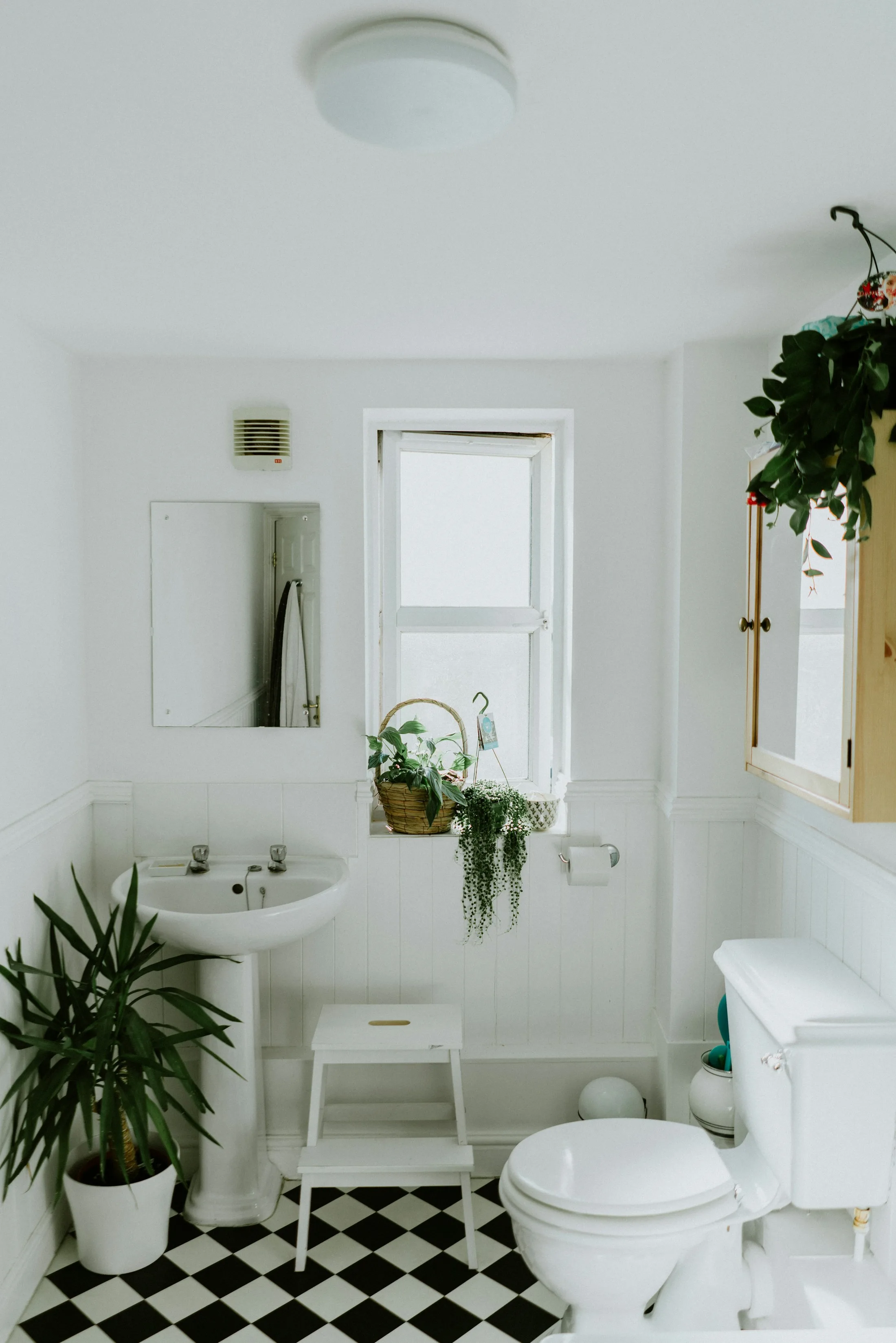
A small bathroom has to do a lot with very little. It needs to store the things you use twice a day, survive steam and splashes, and still feel like a pleasant place to start the morning. The rooms that manage this are rarely the most elaborate. They are the ones where every surface has a job and nothing is fighting for attention.
These ideas are arranged from layout and light to storage, materials, and the details that protect the room over time. Some are weekend projects; others are worth planning into a renovation. All of them are practical.
Begin with layout and light
1. Keep the floor as open as possible
A wall-hung vanity, a floating shelf, or a toilet with a concealed cistern lets the floor continue underneath. Being able to see the floor makes a small bathroom feel larger and makes cleaning easier. If a wall-hung installation is not possible, choose furniture with visible legs rather than a solid box.
2. Use one large mirror instead of several small ones
A single generous mirror above the sink reflects light and makes the room feel deeper. It also reduces visual clutter. If you need storage, choose a mirrored cabinet rather than adding a second mirror elsewhere.
Place the mirror so it reflects the brightest wall or a window, not a dark corner. In a windowless bathroom, a mirror opposite the door can bounce light from the hallway when the door is open.
3. Light the face, not just the ceiling
A ceiling light behind you casts shadows on your face while you shave or apply makeup. Add light at face height — a wall sconce on each side of the mirror, or a single light above it — so the illumination is even. Choose a warm-white bulb and put it on a dimmer if possible.
4. Choose a light, low-contrast tile scheme
A pale tile with subtle variation makes the room feel more open than a strong pattern or a dark color. If you love pattern, use it on the floor or a single accent wall rather than every surface. Fewer grout lines and larger tiles can also make a small room feel calmer, though large tiles need careful planning around fixtures.
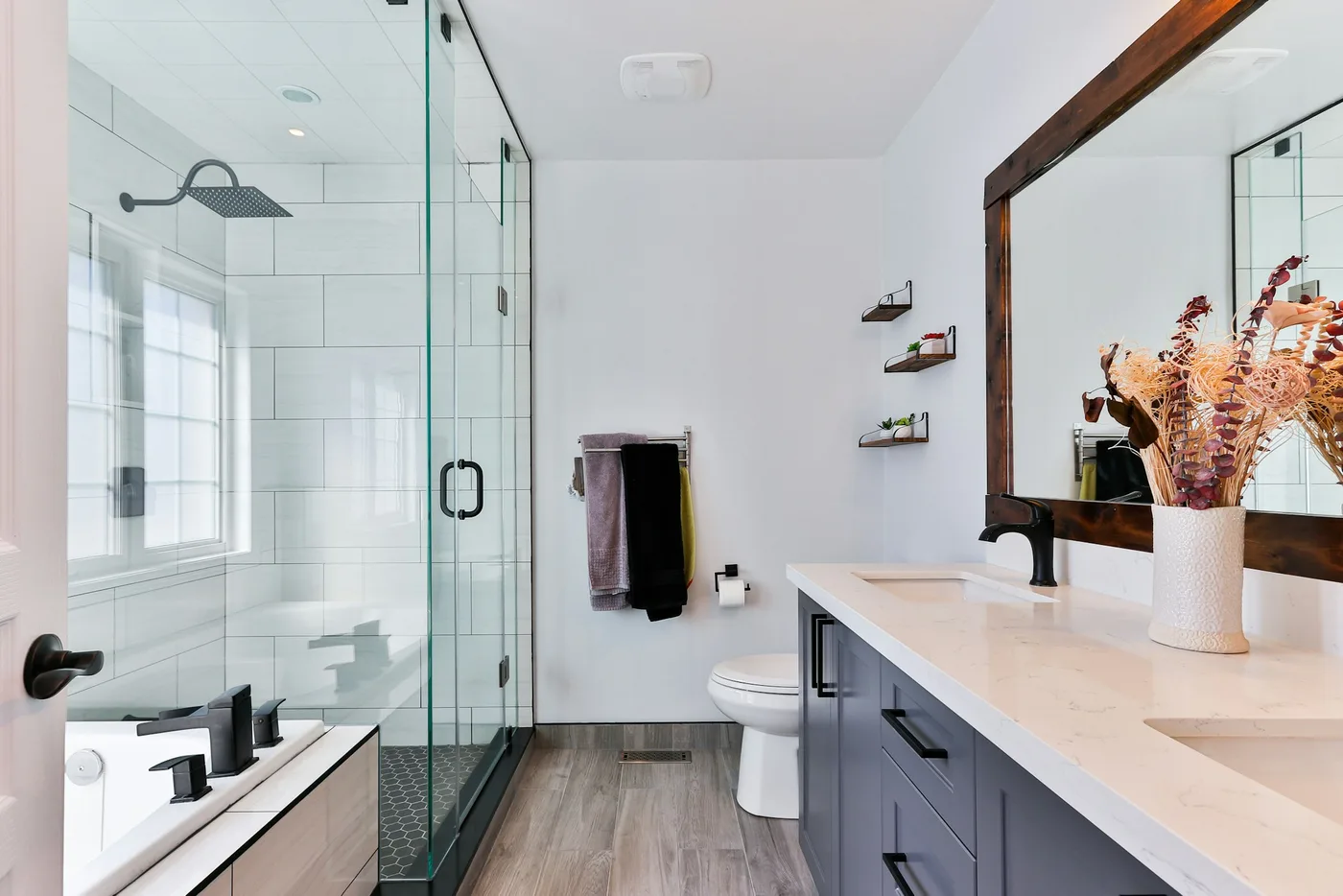
Make storage work harder
5. Use the space above the toilet
The wall above the toilet is often the best storage opportunity in a small bathroom. A shallow shelf, a narrow cabinet, or a set of floating boxes can hold towels, toilet paper, and everyday products without taking up floor space. Keep the lowest shelf high enough to avoid splashes.
6. Put a slim cabinet beside the sink
If the vanity is narrow, a slim pull-out cabinet or a tall, shallow cupboard beside it can hold cleaning supplies and backups. A depth of 8 to 12 inches is often enough. Make sure the door or drawer does not conflict with the room’s main walkway.
7. Use a shower caddy that drains
A hanging caddy keeps bottles off the floor and out of the way, but it needs to drain properly. Choose one with open wire or drainage holes and clean it regularly. A small shelf built into the shower wall is even better if you are renovating.
8. Give every item a home
Small bathrooms become chaotic when the same few objects migrate between the sink, the shelf, and the edge of the bath. A tray for daily items, a drawer for grooming tools, and a basket for laundry can contain the categories. The goal is not to hide everything, but to make tidying quick.
Choose materials that forgive
9. Pick two finishes and repeat them
A small room with five different metals and three tile types feels busy. Choose one metal for taps and accessories and one complementary finish for the shower or cabinet hardware. Repeating the same materials makes the room feel intentional and reduces visual noise.
10. Use a mid-sheen paint for walls
Bathroom walls need to handle moisture. A mid-sheen or satin finish is easier to wipe than matte and less reflective than high gloss. Check that the paint is rated for bathrooms, and allow proper drying time before using the shower.
11. Choose a floor tile with some grip
Bathroom floors get wet. A tile with a slight texture or a matte finish is safer underfoot than a polished surface, especially near the shower and bath. If you prefer a smooth tile, add a well-drained bath mat and keep it clean.
Protect the room from moisture
12. Run the extractor fan every time
Moisture is the quiet enemy of a small bathroom. Run the extractor fan during showers and for at least 20 minutes afterward, and leave the door ajar when you can. If there is no fan, open a window and wipe down wet surfaces. The EPA’s indoor air quality guidance explains why ventilation matters for moisture and air quality at home.
13. Squeegee the shower
A squeegee takes less than a minute and reduces soap scum and water marks on glass and tile. Keep it hanging inside the shower where you will actually use it. This is especially valuable in a small bathroom where every surface is visible.
14. Plan for towels
Towels take up more space than most people expect. A wall-mounted rail, a hook on the back of the door, or a small shelf with folded towels can keep them off the floor and out of the way. In a very small room, choose two towels rather than a stack, and wash them more often.
Common mistakes to avoid
- Choosing a dark, heavy tile scheme in a windowless room. Deep colors can be beautiful, but they need good lighting and a clear plan. Test samples in the actual room.
- Fitting the largest possible vanity. A vanity that fills the wall may leave no room to stand comfortably or open the door. Measure the clear floor space first.
- Ignoring the door swing. A door that hits the sink or the towel rail will be annoying every day. Consider a pocket door or a door that opens outward if space is tight.
- Using open shelves for everything. Small bottles and tubes look messy quickly. Mix closed storage with one small open shelf for the things you use daily.
- Skipping the fan. A beautiful bathroom that stays damp will not stay beautiful for long.
Frequently asked questions
What colors make a small bathroom look bigger?
Light, low-contrast colors generally make a small bathroom feel more open. Warm whites, pale stone, soft gray, and light sage work well when the walls, floor, and large fixtures sit in a similar tonal family. Contrast can come from wood, towels, and a single accent.
Is a wall-hung vanity worth it in a small bathroom?
It can be, because it makes the floor visible and easier to clean. It also creates a place to store a small basket underneath. The trade-off is that wall-hung vanities need proper wall support and may cost more to install. In a rental, a freestanding vanity with legs is a practical alternative.
How do I add storage without making the bathroom feel crowded?
Use vertical space above the toilet or door, choose shallow cabinets, and keep the visible surfaces edited. Closed storage is usually calmer than open shelving in a small bathroom. Measure the depth carefully so the storage does not intrude on the walkway.
A small room that works every day
A compact bathroom does not need to feel like a compromise. Keep the floor open, light the face, choose two finishes, and give every daily object a place. The result is a room that is easier to clean, easier to use, and calmer to be in. If you are also rethinking the kitchen, our small kitchen storage ideas follow the same principle: observe how you use the room, then edit.