Home Decor
15 Minimalist Home Decor Ideas for a Calm Interior
Minimalist home decor ideas that feel warm rather than empty: a narrow palette, texture over pattern, closed storage, and fewer pieces chosen with care.
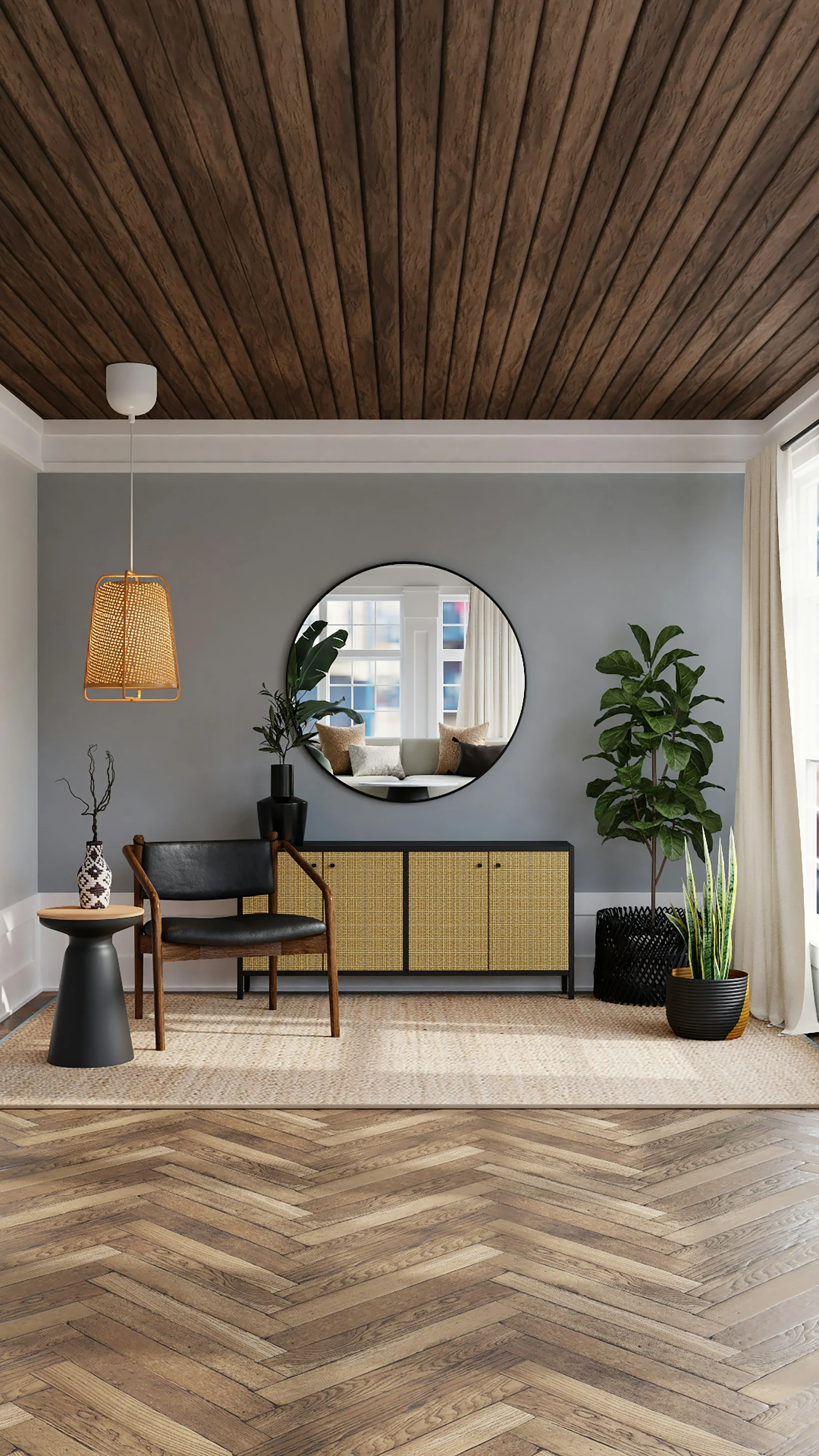
Minimalism has a reputation problem. In photographs it often looks cold, expensive, and strangely uninhabited. In real homes, the best minimalism is warm, practical, and forgiving. It is not about owning as little as possible. It is about making sure that what you do own has space to be seen and used.
The ideas below are less about throwing things away and more about giving the things you keep a clearer role. They work in apartments, family homes, and rentals, and they do not require a particular style of furniture.
Set a calm baseline
1. Choose a narrow color palette
A calm interior usually has two or three base colors repeated across walls, large furniture, and textiles. Warm white, oatmeal, charcoal, and a muted green or clay accent are enough for most rooms. Repeating the palette makes the space feel intentional and reduces the visual effort of scanning a room.
This does not mean every object must match. It means the large surfaces should agree, leaving small objects free to be personal.
2. Use texture instead of pattern
Minimalist rooms can feel flat without texture. Linen, wool, raw wood, ceramic, and stone add depth without adding visual noise. A nubby throw on a smooth sofa, or a matte vase beside a glossy lamp, gives the eye something to notice without introducing another color or motif.
If you love pattern, use it in one place — a cushion, a rug, or a piece of art — and keep the rest quiet.
3. Keep one focal point per room
A room with a strong fireplace, a large window, and a statement sofa is competing with itself. Choose the one element that deserves attention and let the others support it. In a small room, the focal point might simply be the view or a single piece of art.
When everything is special, nothing is. Restraint makes the focal point more powerful.
4. Let negative space do the work
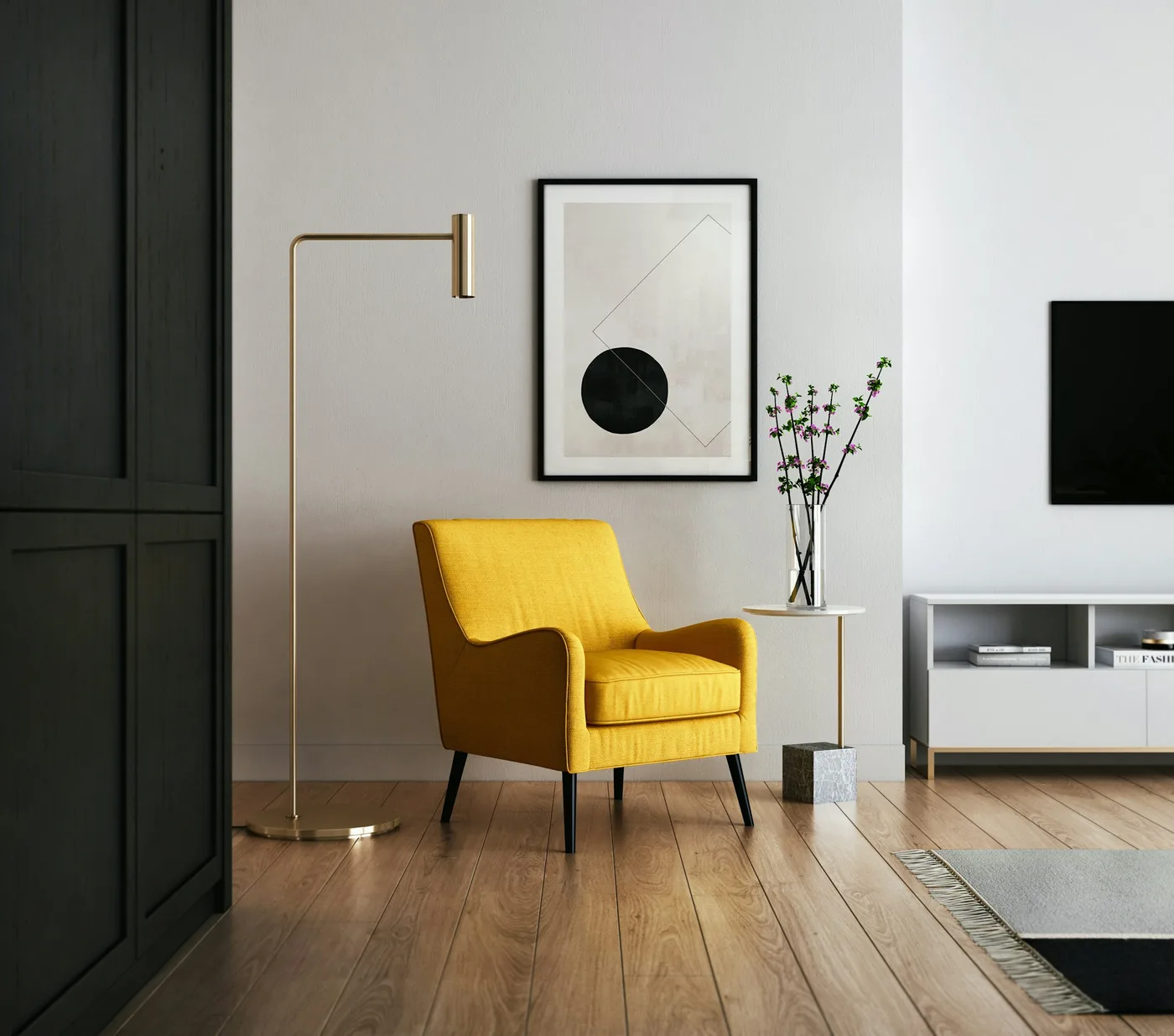
Empty space is not wasted space. A blank wall, a clear corner, or an empty shelf gives the eye somewhere to rest and makes the objects around it feel more considered. In a small apartment, negative space also makes the room feel larger and more flexible.
You do not need to fill every surface. Leaving a shelf partly empty is often the difference between calm and cluttered.
Edit what is visible
5. Clear the main surfaces
Look at the surfaces you see first when you enter a room: the kitchen counter, the console, the coffee table, the bedside table. Clear them completely, then put back only what you use or genuinely love. Most surfaces need less than half of what they currently hold.
This is not a one-time task. A weekly five-minute reset keeps the room from drifting back to clutter.
6. Use closed storage for the busy things
Minimalism fails when every object is on display. Closed cabinets, lidded baskets, and drawers hide the visual noise of daily life: chargers, papers, remote controls, craft supplies. Keep one open shelf for the things you want to see and put the rest behind a door.
Choose storage that fits the room’s palette. A bright plastic bin in a calm room draws more attention than the clutter it contains.
7. Group objects in threes
A common styling rule: group objects in odd numbers, with varying heights and textures. Three pieces — a lamp, a small stack of books, and a ceramic bowl — often look more natural than two or four. The rule is a starting point, not a law; the real goal is a group that feels balanced.
Once a surface feels busy, remove one item before adding another.
8. Choose fewer, larger pieces
One large artwork usually has more impact than six small frames. One generous rug makes a room feel more cohesive than two small ones. One comfortable chair is better than three uncomfortable ones. Scale creates calm because it reduces the number of edges the eye has to process.
This is also a useful budget strategy: buy less, choose better, and replace slowly.
Add warmth without adding clutter
9. Bring in wood
Wood adds warmth, texture, and a connection to the natural world. A wooden stool, a cutting board, a picture frame, or a small side table can soften an otherwise cool room. Choose a tone that repeats elsewhere so the wood feels intentional rather than random.
You do not need matching wood tones. A mix of light oak, walnut, and painted wood can look collected rather than coordinated. Brands such as MUJI have long designed around this quieter, material-led approach if you want reference points.
10. Layer linen and wool
Natural textiles make minimalism feel lived-in. Linen curtains, a wool throw, cotton cushions, and a textured rug add softness and absorb sound. Choose undyed or tonally similar colors so the textures do the talking.
11. Add one living element
A single plant, a branch in a vase, or a small bowl of fruit brings life and color into a minimal room. One is usually enough. A collection of plants can be beautiful, but it becomes a different kind of styling decision.
Choose a plant that suits the light in the room and that you are willing to care for. A healthy plant is more attractive than a struggling one.
12. Warm the lighting
Cool, bright light makes a minimal room feel clinical. Use warm-white bulbs, add a floor lamp or table lamp, and put the lights on separate switches. Dimmable lighting gives you the option to soften the room in the evening without changing a single object.
Finish with intention
13. Hide the cables
Visible cables are one of the fastest ways to make a calm room feel messy. Use cable clips, a cable box, or a piece of furniture with a back panel to keep cords out of sight. This small change makes a surprising difference in photographs and in daily life.
14. Rotate, don’t accumulate
Instead of buying new decor every season, store a few pieces and rotate them. A different vase, a different print, or a different throw can refresh a room without adding to the total number of objects. Rotation keeps the room interesting and the storage manageable.
15. Leave room for life
A minimalist home still needs to accommodate hobbies, children, work, and guests. Leave some empty shelves, a clear table, and a flexible floor space. The room should be able to absorb a project or a visitor without collapsing into chaos.
Common mistakes to avoid
- Confusing minimalism with emptiness. A room with nothing in it is not automatically calm. Warmth comes from texture, light, and things you genuinely use.
- Buying a matching set. A room furnished entirely from one collection can feel like a showroom. Mix eras and materials for personality.
- Hiding everything in closed storage. If storage is hard to access, things pile up on surfaces instead. Keep everyday items easy to reach.
- Choosing only cool colors. An all-gray room can feel cold. Add a warm neutral, wood, or a muted earth tone.
- Decluttering without a system. Without a home for each item, clutter returns. Decide where things live before you clear the surface.
Frequently asked questions
Does minimalist decor mean I have to throw everything away?
No. Minimalism is about giving the things you keep a clear role and enough space. Start with one surface or one room, remove what does not belong, and store the rest. Sentimental objects can stay if they are displayed with intention.
How do I make a minimalist room feel warm?
Use natural materials, warm-white lighting, and a few textured textiles. Wood, linen, wool, and ceramic add warmth without visual clutter. A single plant or a piece of art you love also helps the room feel personal.
Is minimalism practical for families with children?
Yes, if it is designed around real life. Choose durable materials, closed storage, and furniture that can be wiped clean. Leave floor space for play and accept that the room will not always look like a photograph. The goal is calm, not perfection.
Less, but better chosen
Minimalism works best when it is warm, practical, and personal. Start with a narrow palette, clear the surfaces, and choose a few pieces you genuinely love. Add texture and light so the room does not feel sterile. For a softer, cozier version of the same approach, read our cozy bedroom ideas. If your home is compact, these space-saving furniture ideas will help you keep the floor clear.